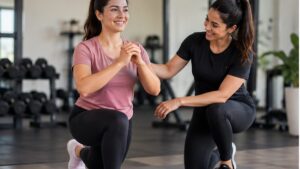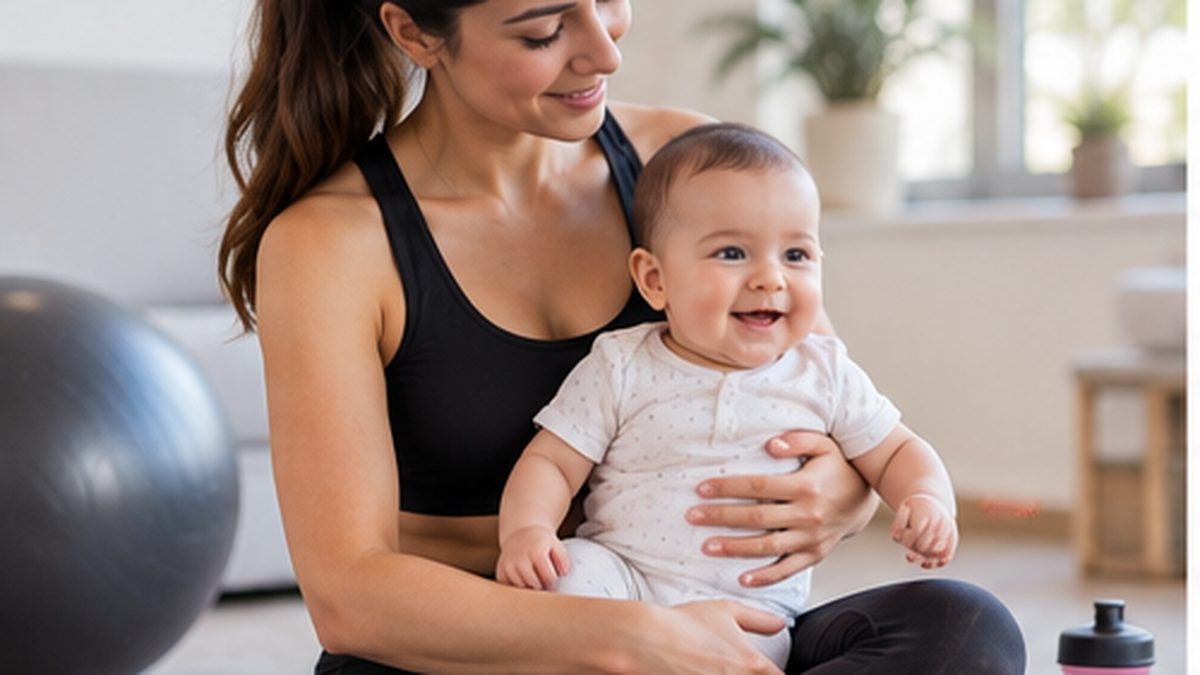
Returning to exercise after having a baby is not about racing back to a previous body or workout routine. It is about rebuilding capacity at the pace your recovery allows. For women searching for a postpartum personal trainer Dubai, the most useful coaching starts with understanding delivery history, current symptoms, sleep, energy, previous training experience and medical guidance before adding intensity.
Dubai can make postpartum consistency particularly challenging. New routines, disrupted sleep, work commitments, childcare and travel time can turn a simple gym visit into a major task. A personal trainer in Dubai who can train you at home or structure sessions around your week can remove some of that friction while keeping progression individual.
When Can You Start Exercising After Pregnancy?
There is no single return date that suits every woman. Recovery differs after an uncomplicated vaginal delivery, assisted delivery, caesarean birth and pregnancies with complications. ACOG advises that exercise can be resumed gradually when medically safe, with timing influenced by delivery method and complications. If you had a caesarean birth or complications, ask your obstetric clinician when to resume exercise.
Early movement may be simple: comfortable walking, breathing work, gentle mobility and pelvic-floor exercises when appropriate. The objective is not to create fatigue. It is to restore tolerance to movement and build a base for later strength work.
What a Postpartum Personal Trainer Should Assess
- Your pre-pregnancy and pregnancy activity level
- Type of delivery and medical clearance or restrictions
- Any pain, pelvic heaviness, leaking or other symptoms that need clinical review
- Core control and breathing strategy
- Basic movement patterns such as sitting, standing, hinging and carrying
- Current sleep, recovery and realistic weekly availability
- Your actual goal, whether that is strength, general fitness, body composition or returning to a sport
A trainer should also know the boundary between fitness coaching and healthcare. Persistent pain, pelvic-floor symptoms, wound concerns or other postpartum problems should be assessed by an appropriate medical or pelvic-health professional.
How Postnatal Training Usually Progresses
| Stage | Training Priority | Examples |
|---|---|---|
| Re-entry | Comfortable movement and control | Walking, breathing, gentle mobility, basic pelvic-floor work if appropriate |
| Foundation | Movement quality and low-load strength | Supported squats, rows, bridges, carries and controlled core exercises |
| Build | Progressive resistance and work capacity | Gradually heavier resistance, longer sessions and structured conditioning |
| Performance | Goal-specific fitness | Higher-load strength, running preparation or more demanding conditioning where appropriate |
Why Strength Training Matters After Pregnancy
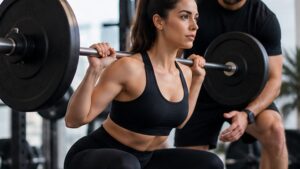
Daily life with a baby is physical. Lifting from the floor, carrying a child, pushing a stroller and repeatedly getting up from low positions all require strength. A sensible program therefore trains useful movement patterns rather than focusing only on calorie burn.
General health guidance recommends both aerobic activity and muscle-strengthening work. ACOG notes a postpartum target of at least 150 minutes of moderate aerobic activity per week, with muscle-strengthening work on at least two days, but your route toward those targets should reflect recovery and medical advice.
What About Weight Loss After Pregnancy?
It is understandable to have body-composition goals, but the first weeks and months after childbirth are not a good time for aggressive promises. Recovery, nutrition, sleep and breastfeeding considerations can all affect training and energy. A coach should focus on repeatable habits, progressive training and realistic expectations rather than crash programs.
If weight management becomes one of your later goals, read our guide to female weight loss personal training in Dubai.
Home Personal Training Can Make Postpartum Fitness More Practical
For many new mothers, home training removes commute time and makes sessions easier to place around feeding and childcare. Effective early-stage sessions do not require a large gym. Bands, dumbbells and bodyweight movements can provide plenty of progression when the program is designed well.
Our personal training services in Dubai can be adapted around home, private and goal-specific coaching. The important question is not where you train, but whether the format makes safe consistency easier.
Questions to Ask Before Hiring a Postpartum Trainer
- What experience do you have with postpartum clients?
- How do you modify training after different types of delivery?
- What symptoms would make you refer me to a clinician?
- How will you progress core and resistance exercises?
- Can sessions be arranged at home?
- How will you adapt training after a poor night of sleep or a recovery setback?
Frequently Asked Questions
Do I need medical clearance before postpartum personal training?
Your circumstances determine this. If you had complications, a caesarean birth, ongoing symptoms or have been told to restrict activity, speak with your obstetric or healthcare professional before progressing exercise.
Can postpartum training help rebuild core strength?
Yes, a progressive program can train breathing, trunk control and whole-body strength. If you have significant abdominal separation, pain, leaking or pelvic-floor symptoms, specialist assessment may be appropriate.
Can a postpartum personal trainer come to my home in Dubai?
Home personal training can be a practical option for new mothers because it reduces travel and allows sessions to fit more easily around family routines.
How many sessions per week should I start with?
There is no universal number. Your recovery, previous fitness, sleep and goals matter. Some women begin with one or two coached sessions plus gentle independent activity and progress from there.
Final Thoughts
A good postpartum program respects recovery while steadily rebuilding confidence and capacity. The right trainer should help you progress without turning the process into a race. Start with what your body can tolerate now, build strength methodically and use medical or pelvic-health support whenever symptoms require it.
Start Postpartum Personal Training With the Right Support
Looking for a female or postpartum personal trainer in Dubai? Speak with our team about a personalised plan that fits your recovery, schedule, training location and fitness goals.
Call or WhatsApp us at +971 56 949 4247, email info@personaltraininguae.com, or send us an enquiry to get started.
Find the Right Personal Training Package for Your Budget
Looking for personal training in Dubai without compromising on coaching quality? Speak with our team to compare suitable packages based on your goals, schedule, preferred training format, and budget.
Call or WhatsApp:
+971 56 949 4247
Email:
info@personaltraininguae.com